

We understand that managing diabetes can be challenging, and taking medications such as Ozempic (brand name for the medication Semaglutide) can be complicated when trying to maintain a healthy diet. While Ozempic can help regulate blood sugar levels, it is essential to know which foods to avoid to prevent adverse side effects. In this article, we will provide comprehensive information while taking Ozempic foods to avoid to help you maintain optimal health.
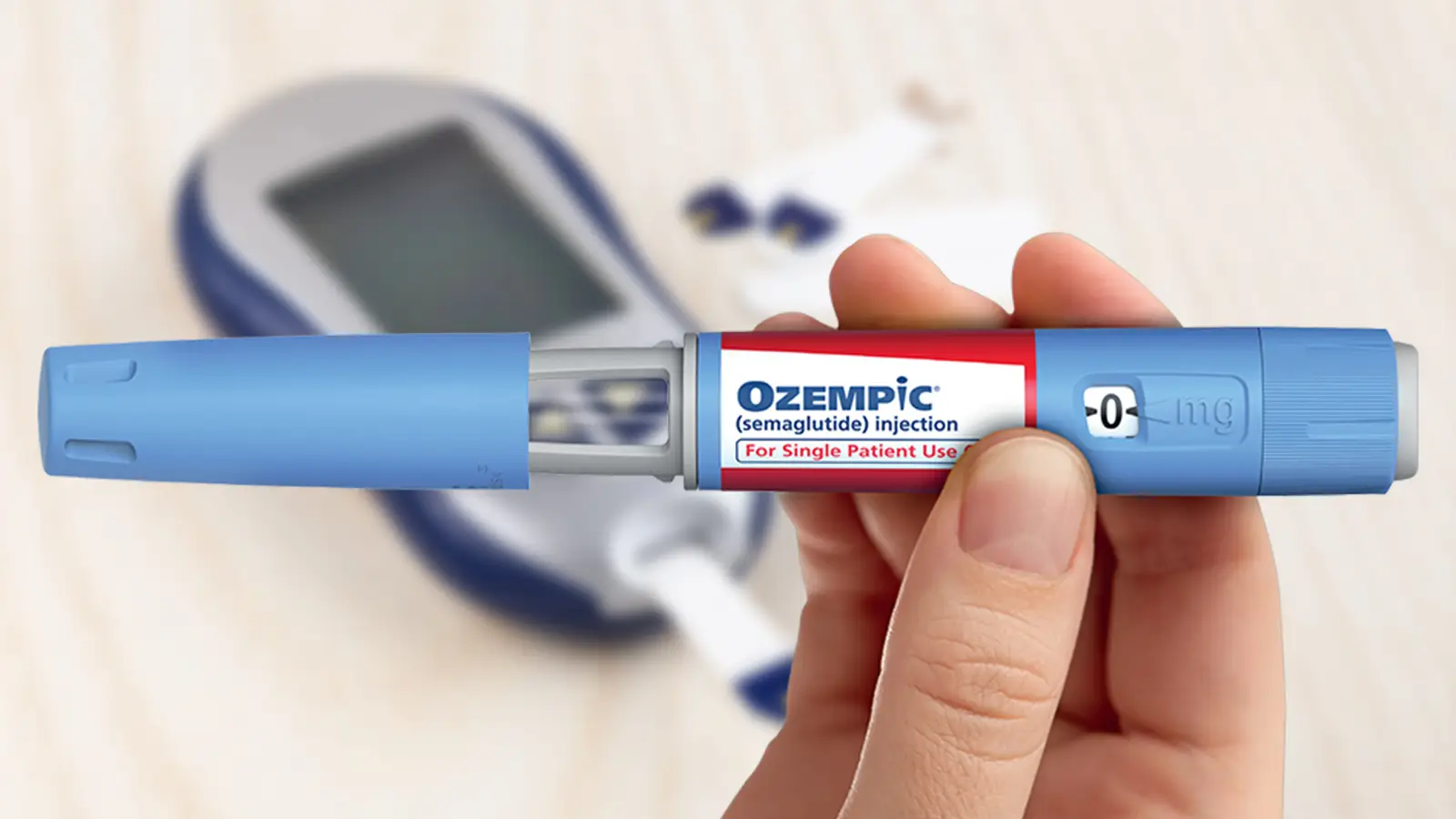
What Is Ozempic?
Ozempic (Semaglutide) is a type of medication called a glucagon like peptide-1 (GLP-1) receptor agonist. It works by mimicking the effects of the GLP-1 hormone, which is naturally produced in the body. GLP-1 helps regulate blood sugar levels by stimulating the production of insulin and reducing the amount of glucose that is released from the liver.
Ozempic is used to help control blood sugar in people with type 2 diabetes. It is typically prescribed for people who have not been able to manage their blood sugar levels through diet and exercise alone.
How Does Ozempic Work?
Ozempic works by binding to GLP-1 receptors in the body, which helps to stimulate insulin secretion and reduce the amount of glucose that is released from the liver. This helps to lower blood sugar levels and improve glycemic control in people with type 2 diabetes.
When Ozempic is administered, it activates GLP-1 receptors in the body. This leads to an increase in insulin secretion from the pancreas, which helps to move glucose from the bloodstream into the cells of the body. Ozempic also helps to slow down the rate at which glucose is absorbed into the bloodstream after a meal.
In addition to its effects on insulin secretion and glucose absorption, Ozempic also helps to reduce appetite and promote weight loss. This is because GLP-1 receptors are also found in the brain, where they help to regulate appetite and food intake.(1)
Read More- Rubella IgG Positive Is Good Or Bad?
What is Ozempic Used For / Ozempic Uses
Ozempic is used as an adjunct to diet and exercise to improve blood sugar control in adults with type 2 diabetes. It is not recommended for use in patients with type 1 diabetes or for the treatment of diabetic ketoacidosis. Ozempic is also not recommended for patients with a personal or family history of medullary thyroid carcinoma or in patients with multiple endocrine neoplasia syndrome type 2. (2)
There are several benefits of taking Ozempic for people with type 2 diabetes. These include:
- Improved blood sugar control: By mimicking the effects of GLP-1, Ozempic helps to regulate blood sugar levels and improve glycemic control in people with type 2 diabetes.
- Weight loss: Ozempic can help people with type 2 diabetes lose weight by reducing appetite and promoting feelings of fullness.
- Reduced risk of cardiovascular disease: Clinical trials have shown that Ozempic can help reduce the risk of cardiovascular events in people with type 2 diabetes who are at high risk of developing heart disease.
- Convenience: Ozempic is administered once a week, which can be more convenient than other medications that need to be taken multiple times a day.
Ozempic side effects
Like other medications, Ozempic can cause side effects in some people. Common side effects include:
- Nausea: Feeling sick to your stomach is a common side effect of Ozempic. This usually goes away after a few days or weeks of taking the medication.
- Diarrhea: Some people may experience diarrhea when they start taking Ozempic.
- Headache: Headaches are another common side effect of this medication.
- Hypoglycemia: Low blood sugar (hypoglycemia) can occur if Ozempic is taken with other diabetes medications that also lower blood sugar. Symptoms of hypoglycemia include sweating, shakiness, dizziness, and confusion.
- Injection site reactions: Semaglutide is given as an injection under the skin, and some people may experience redness, swelling, or pain at the injection site.
- Constipation: Some people may experience constipation when they start taking Ozempic.
- Fatigue: Feeling tired or fatigued is another common side effect of this medication.
- Pancreatitis: In rare cases, Ozempic can cause pancreatitis, which is inflammation of the pancreas. Symptoms include severe abdominal pain, vomiting & nausea. (3)
Read More: 9 Cluster Headache Home Remedy
If you experience any side effects while taking Ozempic, it’s important to talk to your doctor. They may be able to adjust your dosage or suggest other medications that may work better for you. In some cases, they may recommend that you stop taking the medication altogether.
It’s also important to note that while these are some of the most common side effects of Ozempic, there may be other side effects that are not listed here. If you have any concerns or questions about this medication, talk to your doctor or pharmacist.
Ozempic Foods to Avoid
While there are no specific foods that must be avoided when taking Ozempic, it is important to maintain a healthy and balanced diet that is appropriate for managing blood sugar levels in people with type 2 diabetes. A balanced diet includes a variety of foods from all food groups, with an emphasis on whole foods that are rich in fiber, vitamins, and minerals.
Here are some Ozempic foods to avoid, for managing your diet while taking Ozempic:
- Limit sugary and high-carbohydrate foods: Consuming foods that are high in sugar and carbohydrates can cause your blood sugar levels to spike. This can make diabetes difficult to treat. A study published in Diabetes Care found that reducing carbohydrate intake improved glycemic control and reduced the need for diabetes medication in people with type 2 diabetes.
- Choose high-fiber foods: Foods that are high in fiber, such as fruits, vegetables, and whole grains, can help regulate your blood sugar levels and improve digestion. A study published in the Journal of Nutrition found that a high-fiber diet improved blood sugar control and reduced the need for diabetes medication in people with type 2 diabetes.
- Eat lean proteins: Lean proteins, such as fish, chicken, and tofu, are important for building and repairing tissues in the body. It also helps regulate blood sugar levels and promote satiety. A study published in the American Journal of Clinical Nutrition found that a high-protein diet improved glycemic control and reduced the need for diabetes medication in people with type 2 diabetes.
- Avoid processed foods: Processed foods, such as packaged snacks, sweets, and fast food, are often high in calories, sugar, and unhealthy fats. They can also cause your blood sugar levels to spike and increase your risk of developing chronic diseases, such as heart disease and diabetes.
- Monitor your alcohol intake: Drinking alcohol can cause your blood sugar levels to drop or spike, depending on how much you consume and what you drink. It’s important to monitor your alcohol intake and drink in moderation, if at all.
It’s important to note that everyone’s dietary needs are different, and what works for one person may not work for another. It’s always a good idea to work with a registered dietitian or healthcare provider to develop a personalized nutrition plan that is appropriate for your individual needs.(4)
Ozempic Injection Sites
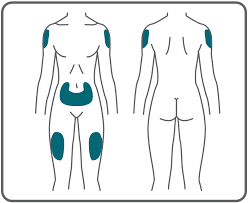
Ozempic comes in a pre-filled pen that is injected subcutaneously in the Abdomen, Thigh, or Upper Arm. The dose is gradually increased over several weeks until the maintenance dose is reached. The maintenance dose of Ozempic is 0.5 mg or 1 mg, depending on the patient’s glycemic control and tolerability.
It’s important to choose a different injection site each time you administer the medication to avoid bruising, redness, or other injection site reactions.(5)
How To Use Ozempic Pen?
Before injecting Ozempic, it’s important to prepare the injection site. You can do this by cleaning the injection site with an alcohol swab. Make sure the injection site is dry before administering the medication. To inject Ozempic, remove the cap from the pre-filled pen and insert the needle into the injection site. Inject the medication slowly and steadily until the pen is empty. After the injection, remove the needle and dispose of it safely.
Ozempic Dosage
The dosage of Ozempic is based on the patient’s individual needs and is determined by the healthcare provider. It is important to follow the prescribed dosage and not adjust it without consulting with a healthcare provider.
The recommended starting dose of Ozempic is 0.25 mg once a week for the first 4 weeks. After the first 4 weeks, the dosage can be increased to the maintenance dose of 0.5 mg or 1 mg once a week, depending on the patient’s glycemic control and tolerability.
A study published in Diabetes Care evaluated the efficacy and safety of Ozempic in patients with type 2 diabetes. The study included 1,231 patients who were randomly assigned to receive either Ozempic or a placebo. The results showed that Ozempic was effective in reducing A1C levels, which is a measure of average blood sugar levels over the past 2-3 months. Patients who received Ozempic had a greater reduction in A1C levels compared to patients who received the placebo. The study also showed that Ozempic was well-tolerated and had a low incidence of adverse events.(6)
FAQs
-
How to get Ozempic for weight loss?
Ozempic is FDA-approved for use in people with a body mass index (BMI) of 27 or higher who also have at least one weight-related condition, such as high blood pressure, high cholesterol, or type 2 diabetes. However, it is important to note that Ozempic is not a weight loss medication for everyone and should only be used under the guidance of a healthcare provider.
If you are interested in trying Ozempic for weight loss, it is important to talk to your doctor first. They can evaluate your overall health and determine if Ozempic is a safe and effective option for you.
If your doctor determines that Ozempic is appropriate for you, they can prescribe it. You can then take the prescription to your local pharmacy to have it filled. Some insurance plans may cover the cost of Ozempic, but it can also be expensive without insurance. Be sure to ask your doctor or pharmacist about any cost-saving options or patient assistance programs.
-
Ozempic vs Trulicity
Two of the most popular options for treating type 2 diabetes are Ozempic and Trulicity. Both medications are FDA-approved and have been shown to effectively manage blood sugar levels. Both Ozempic and Trulicity are effective medications for managing type 2 diabetes. However, there are few differences between the two that may make one a better option for you than the other.
Active Ingredient: Ozempic- Semaglutide; Trulicity-Dulaglutide
Dosage: The recommended starting dose for Ozempic is 0.25 mg once weekly, with the option to increase to 0.5 mg once weekly after four weeks. The recommended starting dose for Trulicity is 0.75 mg once weekly, with the option to increase to 1.5 mg once weekly after four weeks.
Side Effects: Both medications can cause similar side effects, such as nausea, vomiting, and diarrhea. However, Ozempic has been shown to cause more injection site reactions than Trulicity.
Weight Loss: Both medications can aid in weight loss, but Ozempic has been shown to be more effective in this regard than Trulicity.
Price: The cost of Ozempic and Trulicity can vary depending on your insurance coverage and other factors. However, in general, Ozempic tends to be more expensive than Trulicity.
Which Medication Is Right for You?
It’s important to discuss your options with your healthcare provider to determine which medication is the best fit for you. They can help you weigh the benefits and drawbacks of each medication and make an informed decision about your diabetes management.(7)
-
Does Ozempic need to be refrigerated?
Yes, Ozempic (Semaglutide) needs to be refrigerated at a temperature between 36°F to 46°F (2°C to 8°C) until it is used. The medication should not be frozen, and should be protected from light. If you have unopened Ozempic pens, you should store them in the refrigerator until they are ready to be used. However, once the pen is opened and in use, it can be stored at room temperature for up to 56 days.(8)
-
Does Ozempic make you tired?
Fatigue is a possible side effect of Ozempic, but it is not very common. Some people may experience tiredness or weakness while taking this medication, especially during the first few weeks of treatment, as their body adjusts to the medication. However, most people do not experience significant fatigue as a result of taking Ozempic. If you are concerned about any side effects of this medication, including fatigue, you should speak with your healthcare provider.(9)
-
Metformin and Ozempic for weight loss / Ozempic vs Metformin
Many people with type 2 diabetes struggle with weight management, as the condition can cause insulin resistance and make it harder to lose weight. Metformin and Ozempic (semaglutide) are two medications that have been shown to be effective for weight loss in people with diabetes.
Metformin is an oral medication that works by reducing the amount of glucose produced by the liver and improving insulin sensitivity. It has been used for many years to help people with type 2 diabetes manage their blood sugar levels, and it has also been found to have a modest effect on weight loss. Studies have shown that metformin can lead to a weight loss of about 1-2 kg (2-4 lbs) over a period of several months.
Ozempic, on the other hand, is an injectable medication that works by mimicking the effects of a hormone called GLP-1 (glucagon-like peptide-1), which helps regulate blood sugar levels and reduce appetite. Ozempic has been approved by the FDA for the treatment of type 2 diabetes, and it has also been shown to be effective for weight loss. Studies have shown that Ozempic can lead to a weight loss of about 5-10% of body weight over a period of several months.
While both metformin and Ozempic can help with weight loss, they work in different ways and have different potential side effects. Metformin can cause gastrointestinal side effects such as diarrhea, nausea, and abdominal discomfort, especially when first starting the medication. Ozempic can also cause gastrointestinal side effects, as well as other side effects such as injection site reactions and an increased risk of thyroid cancer.
If you are considering using metformin or Ozempic for weight loss, it is important to speak with your healthcare provider first.(10)
-
Can Ozempic cause joint pain?
Joint pain is not a common side effect of Ozempic (semaglutide), but it is possible. In clinical studies, joint pain was reported by a small percentage of people taking Ozempic, although it was not clear whether the medication was the cause of the joint pain or whether it was due to other factors.
If you experience joint pain while taking Ozempic, it is important to speak with your healthcare provider. They can help determine the cause of your joint pain and whether it is related to the medication. Depending on the severity of your joint pain and the underlying cause, your healthcare provider may recommend changes to your treatment plan, including adjusting your dose of Ozempic or trying a different medication.(11)
-
Ozempic pancreatitis symptoms
Pancreatitis is a potential side effect of Ozempic, although it is rare. If you experience symptoms of pancreatitis while taking Ozempic, it is important to seek medical attention immediately.
Symptoms of pancreatitis may include severe abdominal pain that radiates to the back, nausea and vomiting, fever, rapid heartbeat, and a tender or swollen abdomen. These symptoms can be serious and require immediate healthcare attention.(12)
-
What happens if you take too much Ozempic?
Taking too much Ozempic (semaglutide) can increase the risk of experiencing side effects or complications. It is important to always take Ozempic as prescribed by your healthcare provider and to follow their instructions carefully.
If you accidentally take too much Ozempic, it is important to seek medical attention immediately. Symptoms of an overdose may include nausea, vomiting, diarrhea, stomach pain, dizziness, sweating, confusion, or seizures. These symptoms can be serious and require prompt medical attention.
In some cases, taking too much Ozempic can lead to a condition called hypoglycemia, which occurs when blood sugar levels become too low. Symptoms of hypoglycemia may include sweating, shakiness, dizziness, hunger, headache, blurred vision, or confusion. If left untreated, hypoglycemia can be dangerous and may require emergency medical attention.
If you have taken too much Ozempic or are experiencing symptoms of an overdose, it is important to seek medical attention right away. Your healthcare provider can help determine the best course of action and provide appropriate treatment to manage your symptoms and prevent complications.(13)
-
Ozempic for weight loss non diabetic
Ozempic (semaglutide) is an FDA-approved medication for the treatment of type 2 diabetes, but it has also been studied for its potential as a weight loss medication in non-diabetic individuals.
Studies have shown that Ozempic can lead to significant weight loss in non-diabetic individuals who are overweight or obese. In fact, one study found that patients who took Ozempic lost an average of 15% of their body weight over a 68-week period, compared to a 2.4% weight loss in the placebo group.
It is important to note that Ozempic is not currently FDA-approved for weight loss in non-diabetic individuals, and it should only be used under the guidance of a healthcare provider. Ozempic can have side effects and can interact with other medications, so it is important to discuss any potential risks and benefits with your healthcare provider before starting treatment.(14)
Visual Stories




1 thought on “Ozempic Foods to Avoid: What to Eat and What to Avoid While Taking Ozempic”